




Cutting Edge Firewood shares how the right wood transforms live-fire cooking!
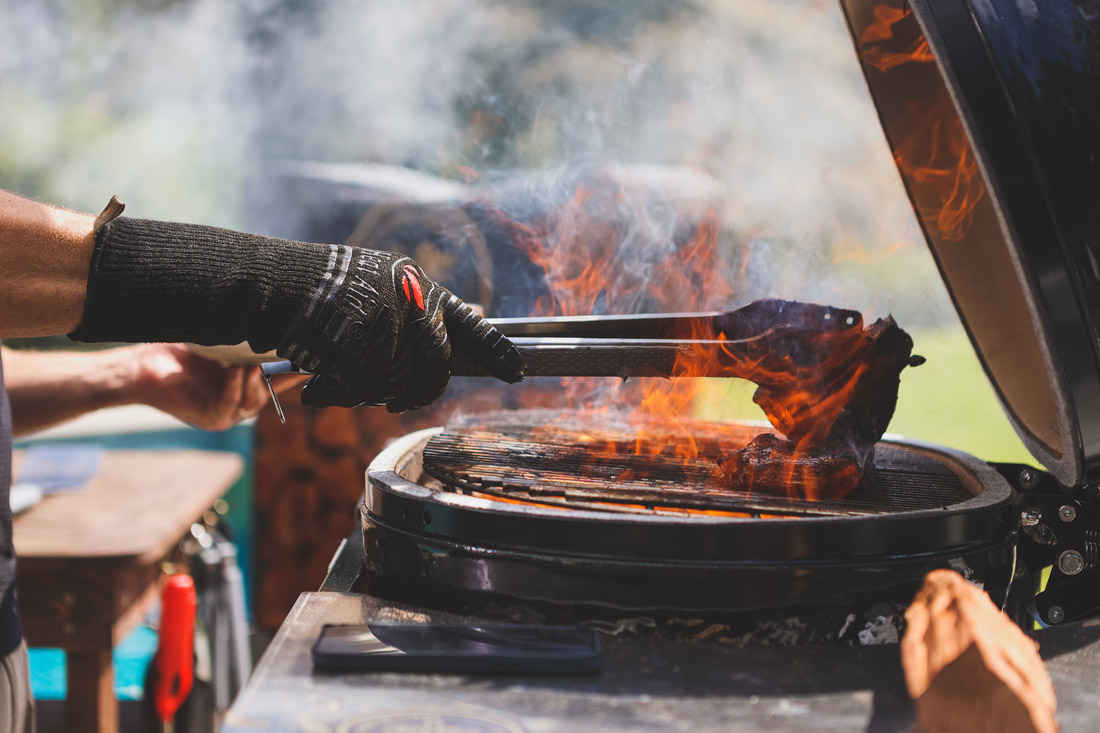

As summer approaches, so does grilling season. When it comes to wood-fired cooking and barbecuing, the wood is just as important as the ingredients. No one knows this better than the team at Cutting Edge Firewood, which produces kiln-dried firewood for cooking, grilling and pizza ovens and offers delivery in the Atlanta area. Sara Bryan, director of customer experience, explains how wood impacts flavor.
What makes kiln-dried firewood and pure hardwood pellets the best choice for cooking?
Think of kiln-dried firewood like using high-quality ingredients. It burns hotter, cleaner and more consistently because moisture has been reduced to very low levels. Premium pellets made from 100% natural hardwood with no fillers or binders produce cleaner smoke, more stable temperatures and better flavor consistency. In wood-fired cooking, purity matters because whatever is in the wood ends up in your food, either through heat or smoke.
What are some common misunderstandings about cooking with real wood versus charcoal or gas?
Most people assume wood is just another heat source. It’s not. Wood provides heat, aroma and flavor complexity. Gas is convenient. Charcoal is steady. But real wood adds layered smoke compounds that create depth you can’t replicate. Another big misconception is that any wood works. Poor quality or wet wood can actually lower cooking temperatures and add off-putting flavors.
Do some woods work better for specific types of cooking?
Dense hardwoods like oak and hickory are great for longer cooking durations (two-plus hours) and smoking. Lighter fruitwoods like apple and cherry work well for poultry, seafood and vegetables when you want smoke to complement rather than dominate.
What’s the easiest way for a home cook to start experimenting with wood-fired flavor?
Start small. If you already cook with charcoal or pellets, just add a couple chunks of hardwood for flavor. Try one wood at a time so you can learn what each one brings to the food. Cooking chunks are made to work alongside charcoal, so you don’t have to change your whole setup to start cooking with wood. Once you understand the flavor profiles, you can start mixing woods to create your own signature blend.
CUTTING EDGE FIREWOOD
cuttingedgefirewood.com
@cutting.edge.firewood