




The Modernist’s Rob Gini and Felipe Florez make the case for ditching design dogma.
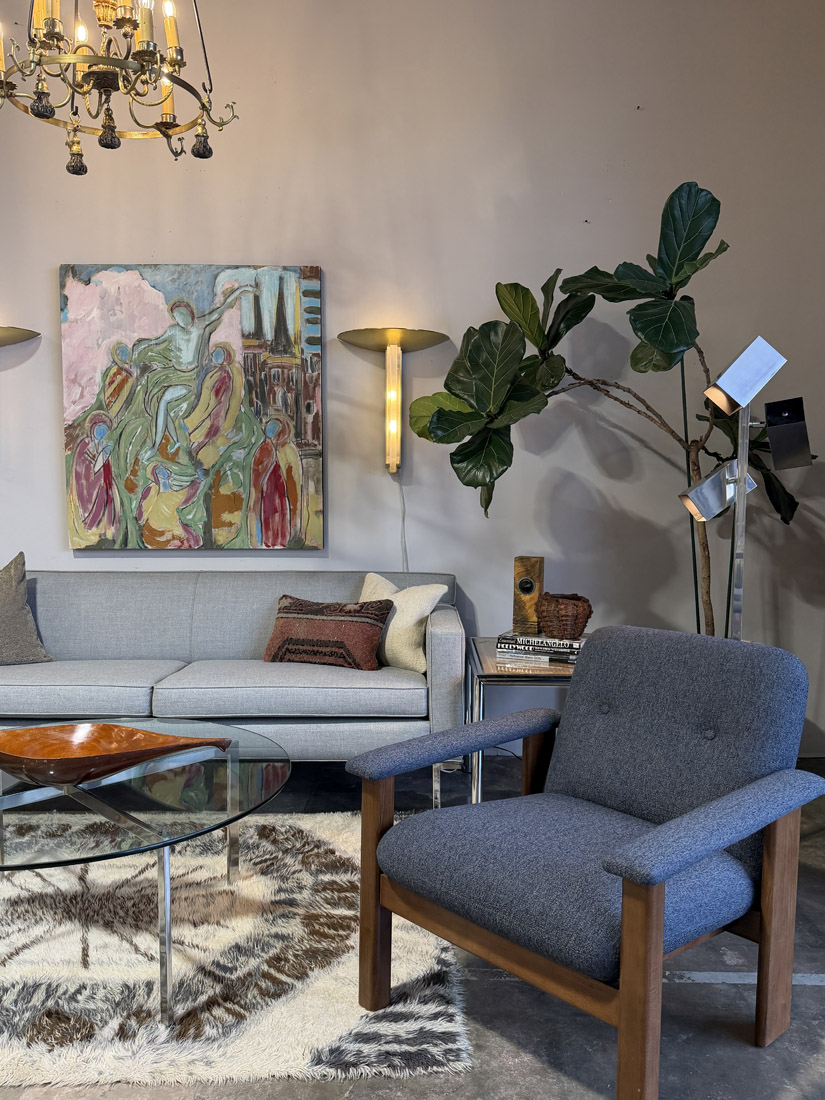
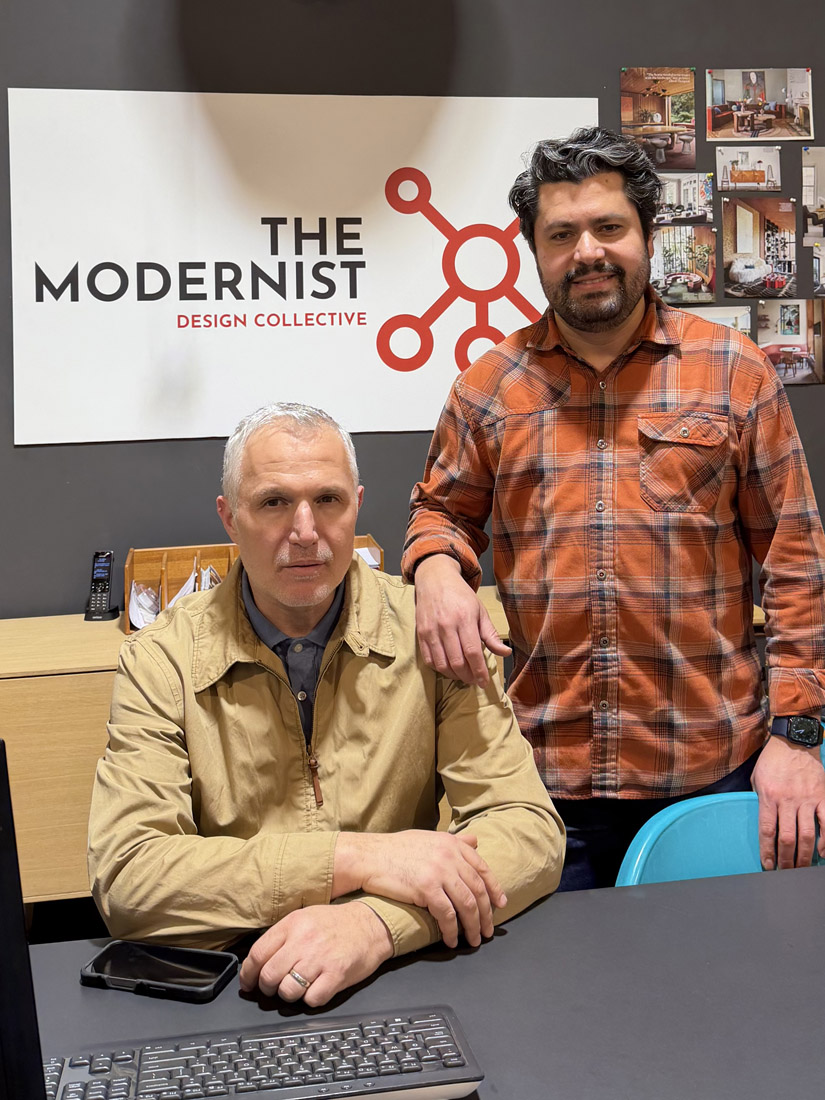
Balance is one of the most sought-after qualities in interior design, yet it’s one of the hardest principles to achieve. Mixing modern and traditional elements requires a confident eye and a willingness to let go of rigid rules. At The Modernist Design Collective, a furniture and interiors gallery on the Westside, that tension frames the store and the business’s design philosophy. Owners Rob Gini and Felipe Florez, business partners for nearly a decade and with more than 25 years of combined experience in modern and contemporary furniture, have built a space around the idea that vintage modern and new modern can coexist and sharpen each other. Here, they share how to successfully blend eras for cohesive design.
How do you define the relationship between modern and traditional design?
RG: I think it’s the rooms themselves and the period of a home that define the balance between modern and traditional styling, as well as the way that they can work with one another. Today’s spaces are designed to be more lived in versus serving as more formal settings. We have a more casual lifestyle, and people want to enjoy their spaces.
What does that balance between modern and traditional design look like in practice?
FF: My wife is traditional, and I’m more of a modernist. We live in a 1930s brick bungalow in Candler Park. I have an assortment of collectible Danish designs and midcentury modern pieces, but we also have more traditional furniture like a wingback chair with carved legs. We modernized it with a new fabric. We have other elements in that room, like artwork, that has more of that vintage or traditional feel to it. Area rugs, especially Moroccan or Turkish styles, add layers and help bring everything together.
Do certain eras or styles translate naturally into a contemporary home or certain eras that naturally work together?
RG: Something from the Deco period plays well with anything from the ’70s. We are seeing moments of the ’80s with more curvature playing well with some new design that’s happening today. For me, the biggest thing is scale and proportion. When scale works, I think anything can be blended and mixed.
How do you encourage your clients to take design risks?
FF: I always say that I work as a counselor on the weekends because I counsel couples [with different design aesthetics] and help them compromise. We have questions that we ask when we’re trying to bring somebody out of their comfort zone. We sit down to gauge what they like, what they don’t and how they react. Based on that assessment, we guide them.
How do non-professionals hone their era blending skills?
RG: We believe that no home should be too new nor too traditional. The beauty is to mix the two together to compose unique, one-of-a-kind spaces. We’re proud that The Modernist offers a vintage design collective as well as products from our new division that will also stand the test of time. We look to give our customers the best of both worlds.
THE MODERNIST
themodernistatl.com
@themodernistatl