




What’s too much for young skin?
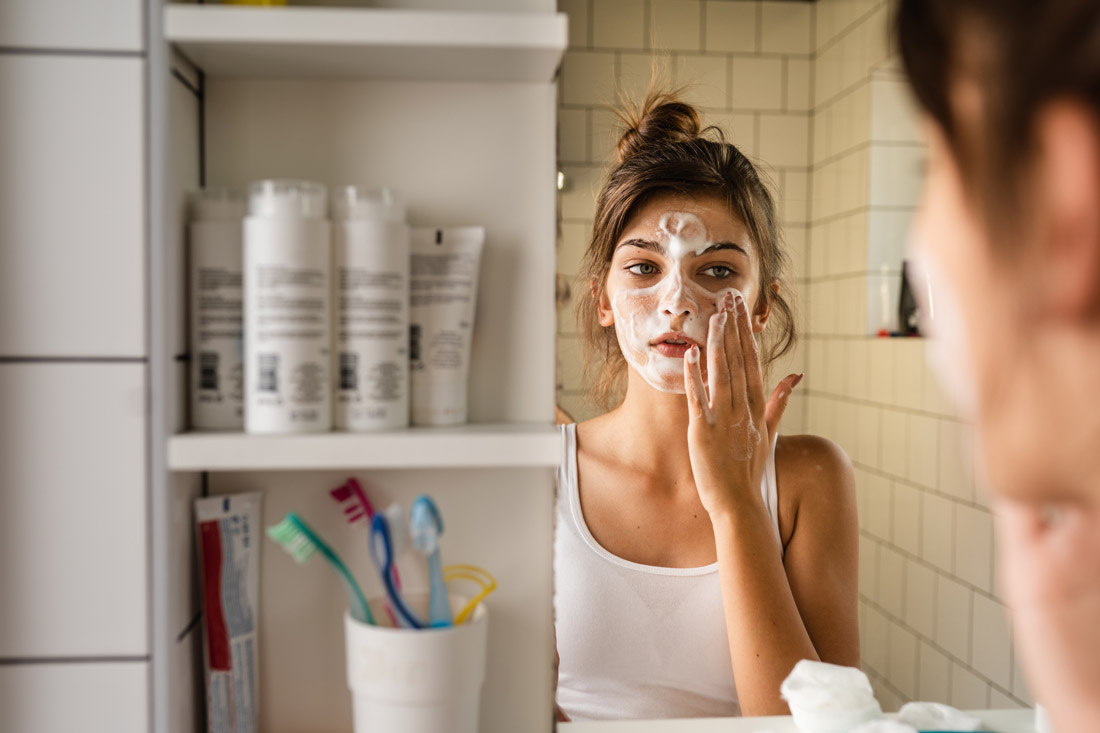

Skin care has officially entered the group chat for tweens and teens. Between TikTok routines with 12 steps and products with adult-grade actives marketing to kids, many parents are left wondering: Will this hurt or help their skin? The truth is that young skin needs far less than social media suggests. A smart, age-appropriate routine can protect the skin barrier and build healthy habits, without a hefty price tag.
The Three-Product Routine
A skin care regimen can typically begin when hormones kick oil production into gear, says Lyn Ross, founder of Institut’ DERMed in Buckhead. A great place to start is a visit to a dermatologist or an esthetician for a skin evaluation and individualized advice. Otherwise, a consistent, simple three-part process will suffice for most kids without an existing skin issue to prevent and treat acne: a cleanser, acne treatment and sunscreen.
At night, Ross recommends that adolescents use a gel cleanser followed by a gel acne serum that both contain a low concentration (around 3-5%) of exfoliant salicylic, glycolic and/or lactic acid as active ingredients. A gel won’t be sudsy, and it is beneficial to manage excess sebum without stripping the skin’s natural moisture. “Teens can leave it on their skin while they brush teeth to let the active ingredients go to work in pores, then remove it with water and a washcloth and pat the skin dry.” Next, apply a thin layer of the acne treatment.
Note that severe acne, including cystic acne, will likely require a prescription product with a higher active ingredient concentration or a prescription retinoid. “Seek professional advice so kids don’t pick and develop lasting scar tissue,” Ross says.
As for a daytime routine, the cleanser can be used again in the morning but don’t reapply the acne treatment. This prevents over-drying that can lead to exacerbating oil production and more clogged pores. Instead, since acne products create sun-sensitivity, apply sunscreen to all skin exposed to UV rays and reapply it after swimming or after a couple of hours outdoors. “It might be helpful to explain that [in addition to avoiding burns] they’re preventing damage to the skin that will show up much later in life,” Ross says.
Is your tween or teen blessed with perfect skin? Lucky! Then forgo the acne products. They’ll do just fine with a gentle daily cleanser and sunscreen until their 20s.
Why “Anti-Aging” Is Unnecessary
According to Ross, kids (mostly girls) as young as 8 are asking for antiaging creams they’ve seen online. “They don’t want to look like their moms when they’re older,” she says. [Ouch.] “But preventing wrinkles doesn’t mean starting adult products that early.” She says that young skin is supple and holds lots of water, oil and collagen. Anti-aging products don’t do anything to prevent wrinkles at this age, she says, so they are just a waste of money. The best anti-aging product is, in fact, sunscreen.
Additional Considerations
If a new product causes itching, hives, persistent redness, dry patches or sudden breakouts, discontinue its use and consult a skin care professional. These are signs of an allergic reaction.
While genetics and environmental factors play big roles in skin health, research suggests diet can potentially contribute positively or negatively. For instance, are they drinking enough water and eating nutrient-rich foods or going heavy on high-sugar and junk foods? A nutritionist can provide guidance if needed.
INSTITUT’ DERMED SPA
404.261.5199
idermed.com
@institutdermed