




Keep your cat or dog from going astray!
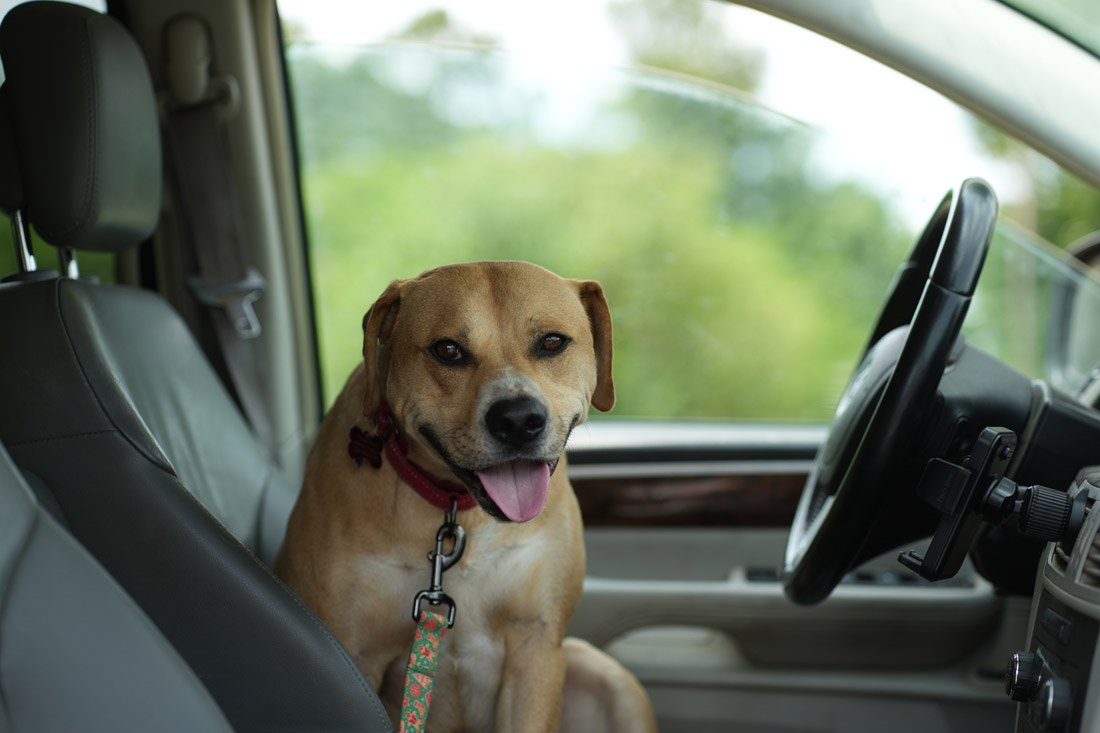

When a pet goes missing, one of an owner’s greatest fears is realized. While it may be impossible to guarantee this never happens, there are steps you can take to reduce the odds and improve the chances of them returning home safely.
Preventing an Escape
Securing doors and gates can help keep a dog or cat from running off, and it’s important for everyone in the home to be vigilant. Ensure children, guests and service people adhere to your guidelines by teaching them to close entries and exits behind them. For cats, keeping them indoors is the safest option to avoid an escape.
According to Kelvin Ling, founder of Three Paws Rescue, a foster based organization in Chamblee, the most important thing to avert a dog getting loose is to use secure equipment such as a martingale (no-slip) collar and a double-handle leash for extra control.
“In our experience, martingale collars are far less likely than standard collars or loose harnesses to allow a dog to back out and escape,” he says.
Fostering Familiarity in the Home
Ling says prevention is only part of the equation. The other is preparing your pet to come back to you.
“Training starts on day one, and basic obedience can make all the difference,” Ling says. “Dogs should learn straightforward cues, but I also think it helps to build positive routines and associations. Even something as simple as teaching a dog that the sound of a treat bag means ‘run over here’ can become incredibly useful in a real-life situation.”
Obedience-style training may not work as well with a cat, but simple name and food association can be extremely helpful in teaching your cat familiar routines.
Ensuring a Safe Return
Microchipping a cat or dog improves the likelihood they will be reunited with their owners. According to the American Veterinary Medical Association, dogs with chips are returned home at a rate of 52.2% and cats 38.5%, compared to 21.9% and 1.8%.
“If a pet goes missing, the most important thing is to act quickly and start searching immediately nearby,” Ling says. “Many cats and dogs stay close to home, at least for a little while. It’s also crucial not to chase a loose animal, which can make the situation worse. Many pets will become more frightened, causing them to run even farther.”
Check concealed areas like under porches and bushes and inside garages and sheds. Familiar items with well-known smells like toys, bedding and litter can help attract lost pets.
If those steps fail, the next is to contact local shelters, veterinarian offices and animal control to file a lost pet report. If the pet is microchipped, notify the company right away so the pet can be flagged as missing.
Ling also suggests using social media, neighborhood networks like Nextdoor and specific lost and found pet groups to report your missing pet. Include a recent photo; the location, date and time the pet was last seen; and accurate contact info.
If your neighborhood allows, create and post flyers with a large photo and the word “LOST” big enough to be seen from passing cars. Veterinary clinics and pet stores will often allow displays of lost pet flyers as well.
“The best protection against a lost pet is preparation,” Ling says. “And if a pet does go missing, acting quickly and using both online and on-the-ground search strategies can greatly improve the chances of bringing them home safely.”
THREE PAWS RESCUE
762.499.5654
threepawsrescue.org
@threepawsrescue