



Winston-Salem celebrates history and innovation!
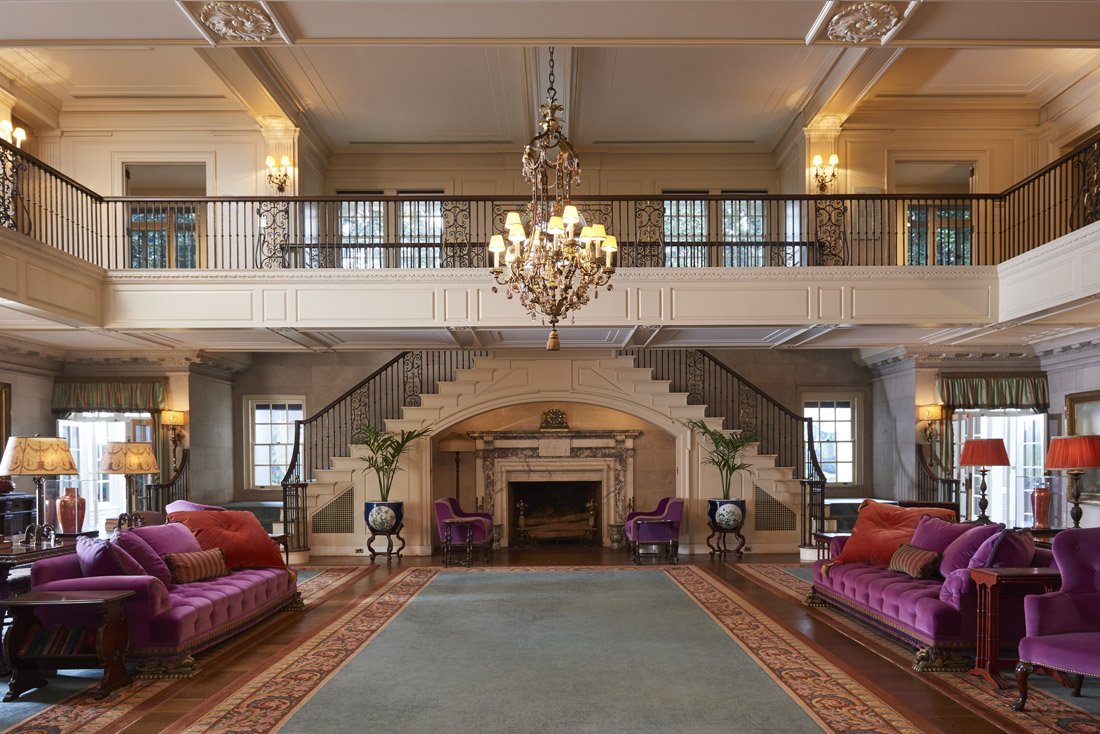
I knew only two things about Winston-Salem before my recent visit. Several years back, someone gave me a Moravian star, a multi-pointed decoration that is intricately linked with the town’s Moravian settlers, Protestants from eastern Europe. I also knew this North Carolina town had tobacco connections, as that had been the state’s cash crop since the late 19th century. What I didn’t know was that these very different communities joined forces in 1913 to become the destination it is today.
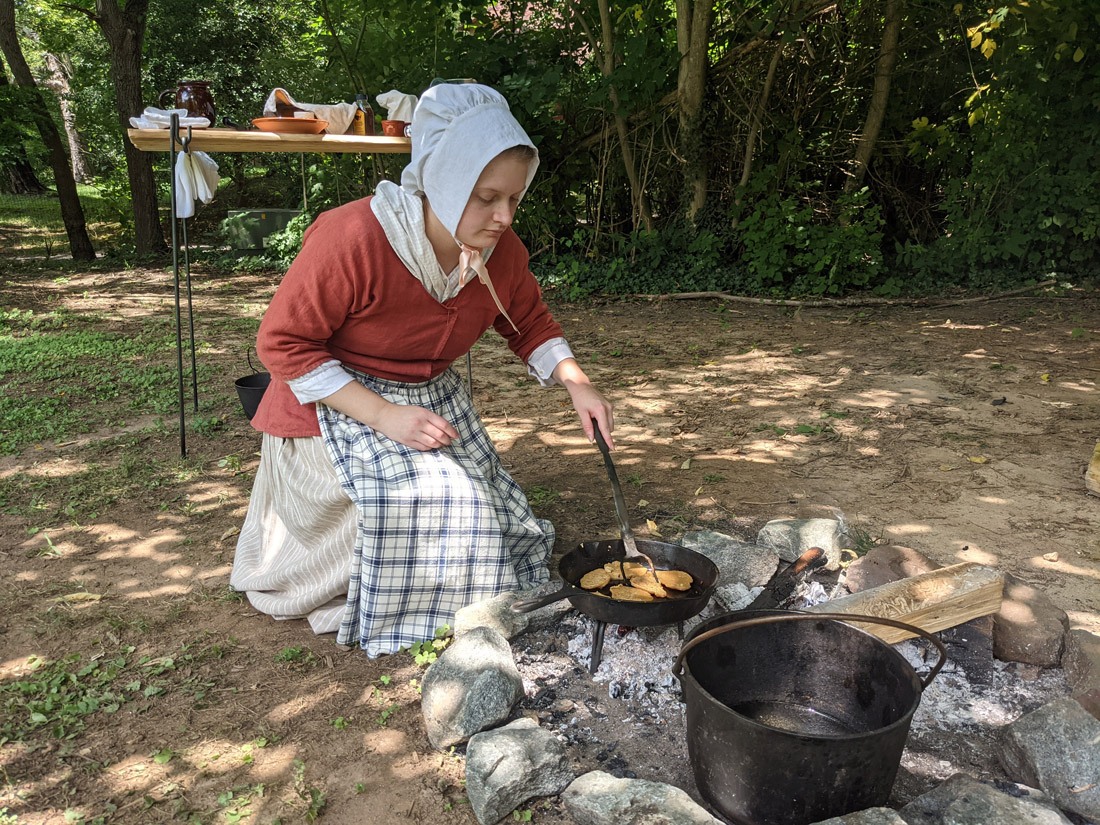
The town’s earliest roots have been preserved at Bethabara Park where original Moravian-made maps have helped historians outline the foundations of structures built in the early 1750s. Costumed curators demonstrate colonial arts and take visitors on tours of restored buildings and gardens.
Those settlers spread out and established Salem around a central square with cobblestone streets leading to original structures including a church, bakehouse and tavern frequented by both sides during the Revolutionary War. Today, the town is a living history center where I sampled bread from a wood-fired oven at the bakery, toured the brick tavern dating to 1784 and sat in the pews of the 1822 African-American Moravian Church, noted as the oldest standing African-American church in the state.
The adjacent town of Winston has its roots in the tobacco-driven economy built largely by R.J. Reynolds, head of the eponymous company founded in 1875 that still makes its home there. The corporate HQ, a historic 1929 Art Deco building and local landmark, is now a Kimpton Cardinal Hotel that still shows its roots in the lobby, bar and elevator bank. Guest rooms are thoroughly modern and luxurious; I swooned over the deep soaking tub inside the glass framed shower area.
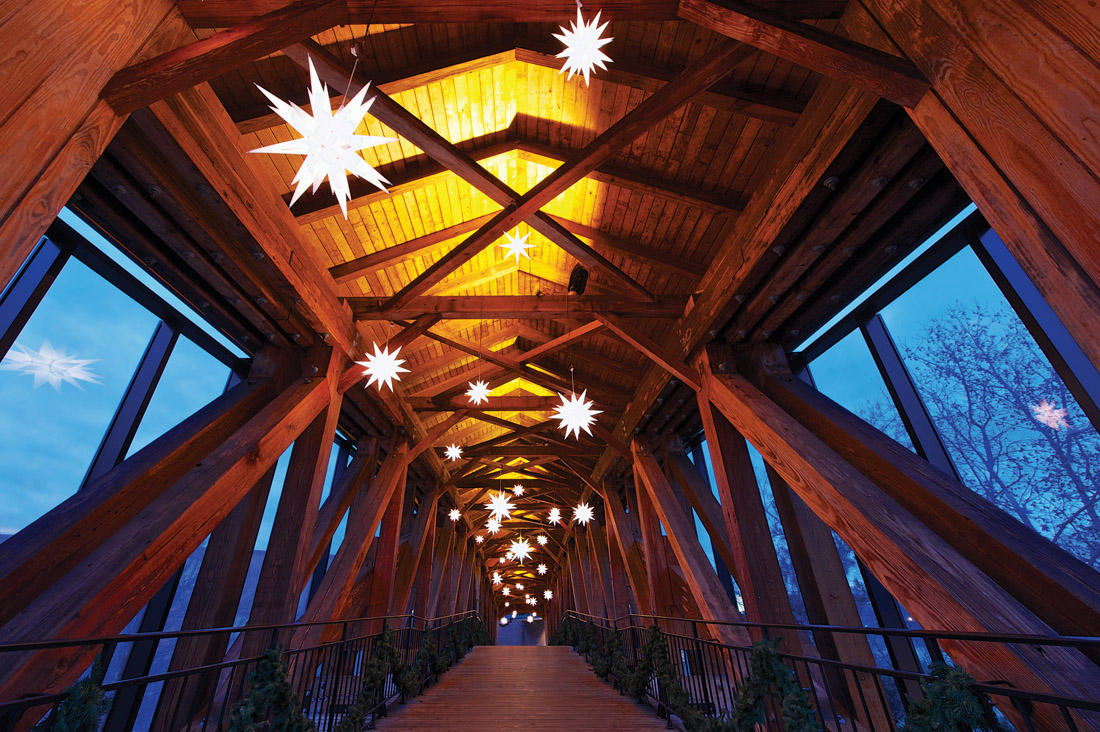
In 1917, the Reynolds family moved into Reynolda, a 26,387-square-foot “bungalow.” The property became self-sustaining with a dairy, cattle, farmed lands, schools, a church and a post office. Today, many of those structures have been transformed into boutiques, a doughnut shop and event spaces. The house grew to 60 rooms, and in 1964, was transformed into a nonprofit arts center with works by O’Keeffe, Cassatt and Sargent. Visitors can see Reynolds’ home office, bar and basement shooting range and the 1918 Aeolian organ. Newpapers on the sleeping porch walls recount the story of a Reynolds heir who died by gunshot in 1932, and it’s never been settled as suicide or murder.
Nearby notable sites are Graylyn, a 1920s manor house that’s now a boutique hotel, and Spring House, an award-winning restaurant led by Chef Timothy Grandinetti.
Influences of the 21st century now share space with history, especially in the Innovation Quarter where an old power plant property has been revived for biomedical research facilities, breweries, art studios and restaurants. On the outskirts of town, former tobacco fields have morphed into wineries such as Shelton Vineyards and Jolo Wineries with breathtaking views of the surrounding valleys and mountains.
Two days is barely enough to take in all the area has to offer. An entire day could be spent in the Moravian archives or exploring the vibrant arts scene. But as a history lover, this trip ticked all the boxes. And it threw in that unsolved murder mystery to boot.