




Variations that prove that the Negroni is genius.
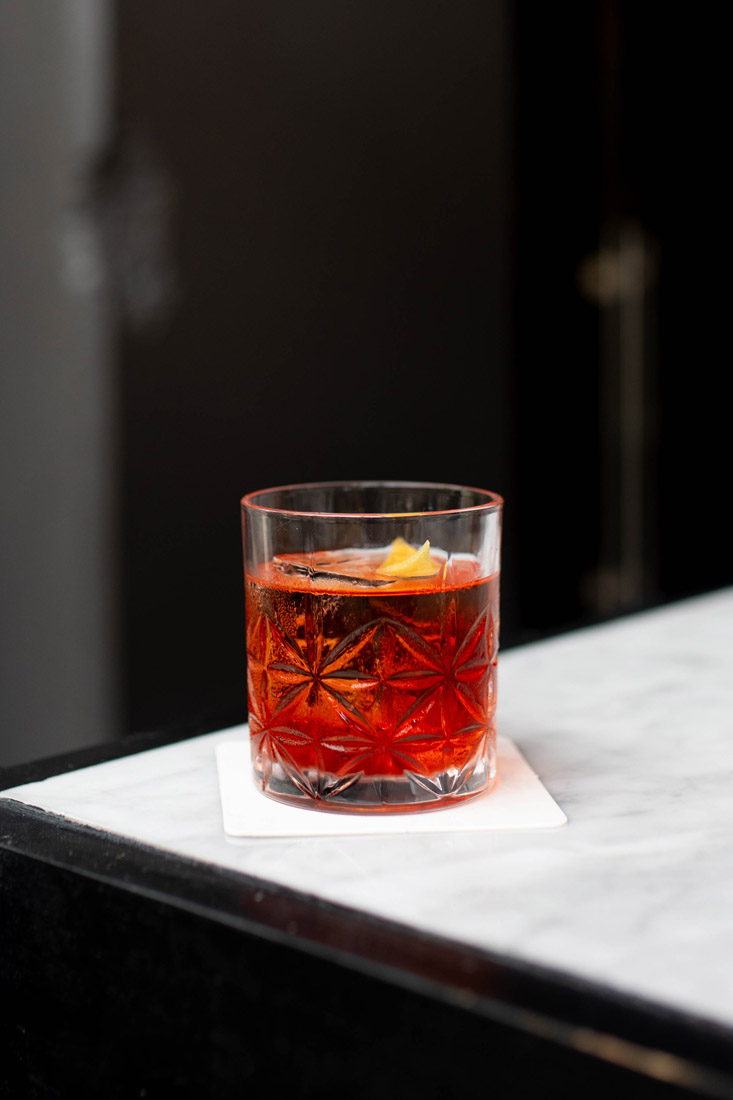
The Negroni, with its elegant symmetry of gin, Campari and sweet vermouth, has long reigned as the undisputed heavyweight of bittersweet cocktails. But the very structural brilliance that makes the classic so lasting is precisely why it refuses to stay put. Created in Italy in 1919, the most versatile aperitivo has a spectrum of permutations, inviting bartenders to swap out core ingredients, creating something wholly new yet fundamentally familiar.
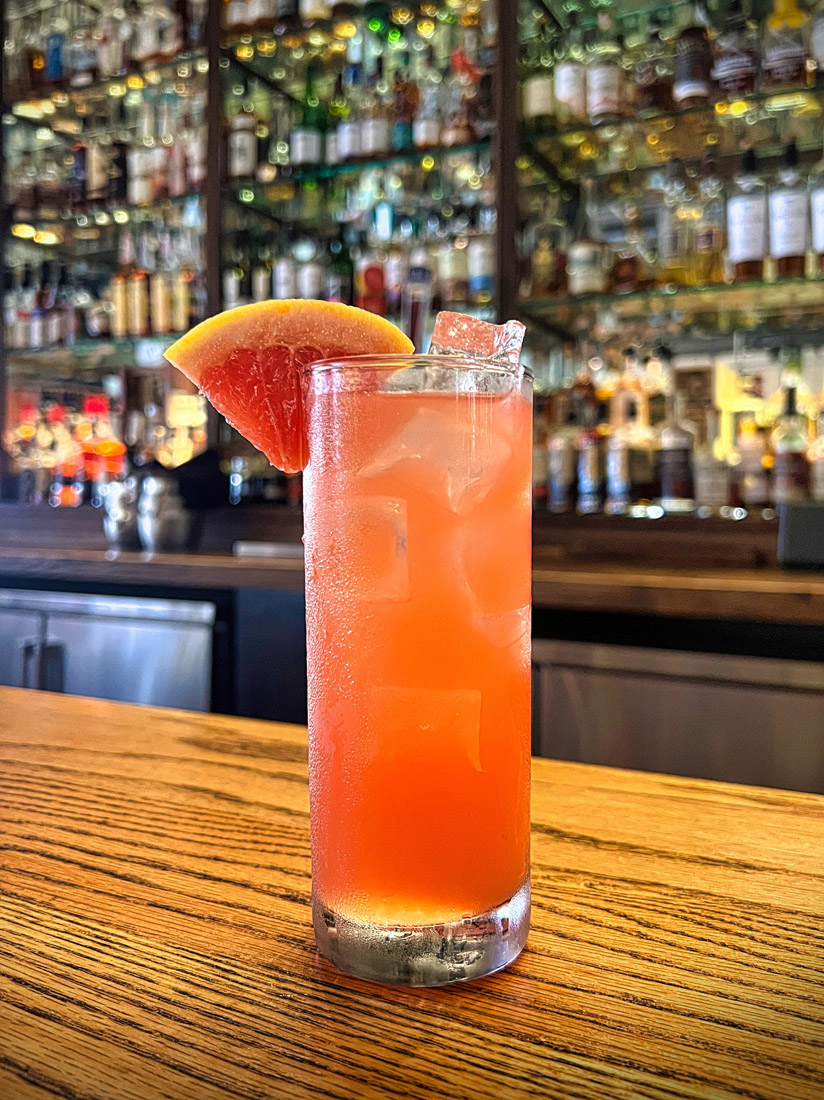
From citrus twists that lengthen and brighten along with soda water to bourbon-based renditions that transform its bitter edge into a chocolatey hug, modern Negroni variations offer boundless interpretations.
The Negroni recipe is one you can remember: 1 ounce gin, 1 ounce Campari and 1 ounce sweet vermouth stirred with ice, strained and garnished with orange peel. It’s a balance of bittersweet and botanical, and a customizable blueprint for perfect balance. Switching out an ingredient sometimes makes another classic. Bourbon instead of gin gives us the Boulevardier. Rye instead of gin and dry vermouth instead of sweet vermouth makes an Old Pal. For a lighter and more floral (but still bittersweet) version, a White Negroni replaces Campari and sweet vermouth with Suze gentian liqueur and Lillet Blanc aperitif wine.
Predecessor of the Negroni, the Americano is a lower alcohol version made with equal parts Campari, sweet vermouth and soda water. The lore behind the classic goes that Count Camillo Negroni asked a drink maker to create a stronger version of the Americano by replacing soda water with gin. The bartender complied, also swapping the lemon garnish for an orange peel, and the new concoction became known as the Negroni. While not on the menu, the perfect spot to order an Americano in Atlanta is The Americano, where bartenders will happily whip one up. It would pair well with polenta cremosa with truffle mushrooms.
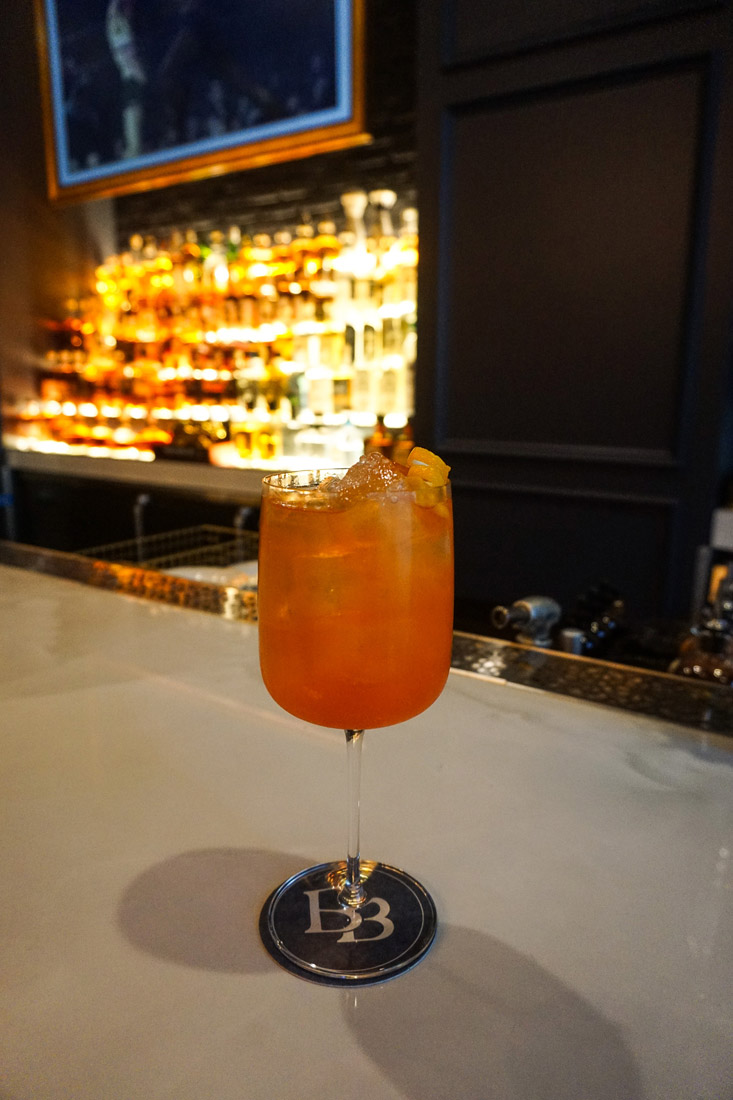
Sbagliato translates to “mistaken” or “wrong” in Italian, but it is a delicious, lighter and bubbly version. Swapping sparkling wine for gin also lowers the alcohol by volume. The Negroni Espagligo at The Bank Bar at Grand Hyatt Atlanta is a bitter, sweet and strawberry scented version. Light and refreshing, it is composed of strawberryinfused vermouth, concentrated Aperol and prosecco.
In a Basque version of the Italian archetype, Cooks & Soldiers employs rye whiskey, Spanish vermouth and Campari. La Flaneur is a variation of an Old Pal that adds a hint of chocolate flavor to the bittersweet outline with crème de cacao. There is a fruity herbal twist as well, with Patxaran, a sloe (blackthorn) flavored liqueur with a unique anise backbone.
Joey D’s Oak Room in Dunwoody features a bubbly and citrus play on the Negroni. Named for a 1948 film, the Bicycle Thief keeps the base of gin and Campari but substitutes grapefruit juice and lemon for vermouth, and adds soda water to lengthen the drink. It’s lighter, still bracing and perfect for the sunny patio.
Swapping out sake for gin makes a softer but still botanical Negroni that is lower in alcohol and more mellow. Five terms that describe sake’s flavor profile are bitter, dry, sweet, acidic and astringent, all of which are comparable to gin’s complexities. At Nobu, the Oni Negroni combines the two spirits. Brisk and restorative, it stirs together Wonderbird dry gin, sweet vermouth, Aperol and Onikoroshi sake. The Junmai sake is a dry and crisp addition. The Nobu branded ice elevates the Japanese take on a Negroni even further.
THE AMERICANO
theamericanoatlanta.com
@the_americano_atlanta
THE BANK BAR
bankbaratl.com
@bankbaratl
COOKS & SOLDIERS
cooksandsoldiers.com
@cooksatl
JOEY D’S OAK ROOM
joeydsoakroom.com
@joeydsoakroom
NOBU
noburestaurants.com
@nobuatlanta


