




Manage the beauty side effects of rapid weight loss.
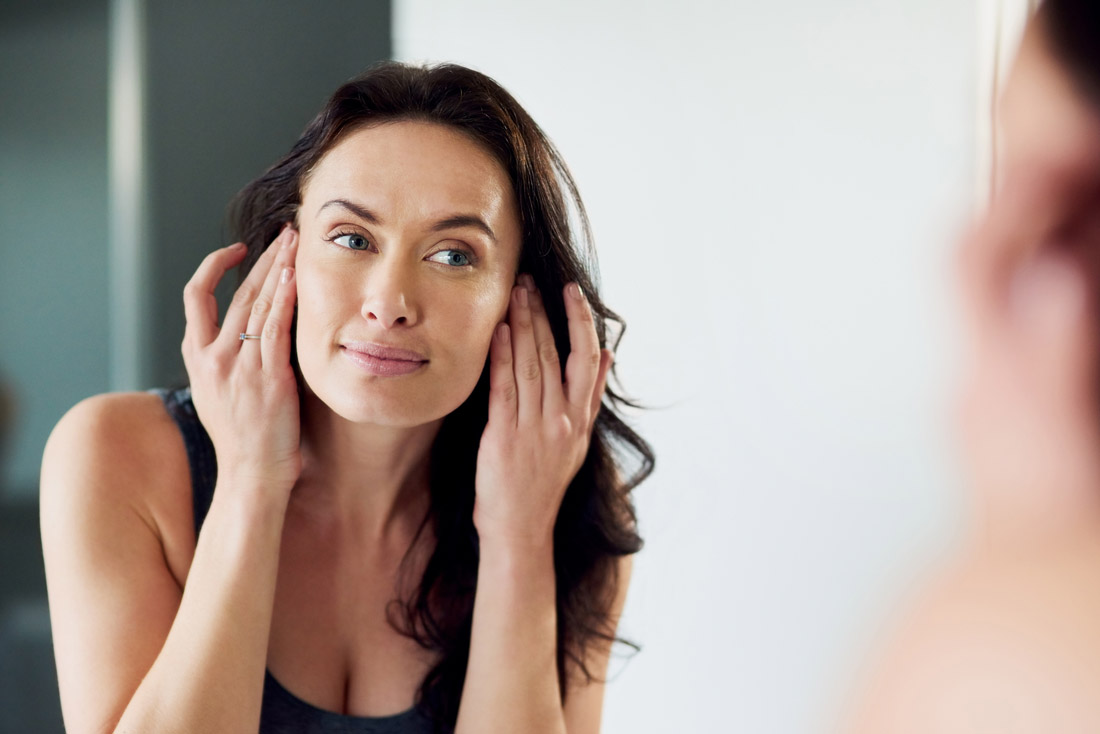
Glucagon-like peptide-1, or GLP-1, medications have transformed the weight-loss landscape, helping many people achieve significant results. But as the pounds come off quickly, some people are noticing unexpected changes to hair and skin that may leave them concerned and looking for solutions. Here, Buckhead-area beauty experts offer tips for understanding why hair shedding, skin dryness, facial volume loss and sagging can follow rapid weight loss and ideas for addressing them before or after they occur.
Hair Shedding
Perhaps one of the more distressing changes people taking GLP-1s can experience is hair shedding. “Rapid weight loss can trigger a condition called telogen effluvium, a stress response where the hair follicles prematurely shift into a resting phase and shed,” says Stefanie Rippenbaum, nurse practitioner and director of clinical services at Great Many, a hair-growth studio in Buckhead. This can also occur following any method of losing weight fast, including bariatric surgery or a calorie deficit. The good news is the shedding from speedy weight loss is typically temporary and often improves as weight stabilizes.
To prevent or minimize the severity of shedding, “starting a proactive hair health regimen early—before or shortly after beginning a GLP-1 medication—is a strong strategy,” Rippenbaum says. Adequate protein and micronutrient intake can support hair health, particularly when weight loss or reduced food intake puts someone at risk of nutritional deficiencies.
What’s more, professional treatments are available to stimulate follicle activity and encourage regrowth, Rippenbaum says. Great Many, for instance, combines options such as platelet-rich plasma injections and FoLix laser treatments with individualized at-home protocols that may include prescription medications or supplements.
Drier, Duller Skin
GLP-1 users may notice their skin looks and feels drier. Because these medications can suppress appetite and increase feelings of fullness, people eat and drink less, contributing to skin dryness and a less dewy appearance. “By eating less and by decreasing water intake, which is typically what happens with fewer calories ingested, you get shrinkage of the fat cells, resulting in a less hydrated, ‘glowy’ look of the skin,” says Dr. Philip Robb, facial plastic surgeon at Robb Facial Plastic Surgery & Aesthetics and RefreshMD, a Chamblee med spa.
Staying hydrated is therefore an important first step in supporting skin health while taking GLP-1s. Additionally, consider working with a nutritionist to ensure your body and skin are getting sufficient daily nutrients despite the decreased appetite.
Losing Facial Volume
When weight comes off quickly, shrinking facial fat cells can also reduce facial fullness and support, making cheeks appear hollow and wrinkles or sagging more noticeable. You may have heard the term “Ozempic face” used to describe this effect. Robb says GLP-1 medications may also decrease collagen production, potentially contributing to changes in skin firmness and appearance.
He recommends treatments that encourage collagen and elastin production, including laser resurfacing, light laser peels, chemical peels and microneedling. He calls microneedling a “silent superhero” because the controlled microinjuries prompt the skin’s natural repair process, stimulating new collagen and elastin. Treatment plans vary, but Robb says three to five microneedlings spread throughout the year can offer cumulative benefits.
Volume-restoring options may include injectable dermal fillers, such as hyaluronic acid fillers, or fat transfer. The appropriate avenue depends on the degree and location of volume loss as well as the individual, so it’s best to consult a qualified dermatologist or plastic surgeon about your choices.
GREAT MANY
404.400.2800
greatmany.com
@meetgreatmany
REFRESHMD
770.299.4644
robbfacialplastics.com/refreshmd
@robbfacialplasticsurgery