




Better prepare for high-altitude adventures!
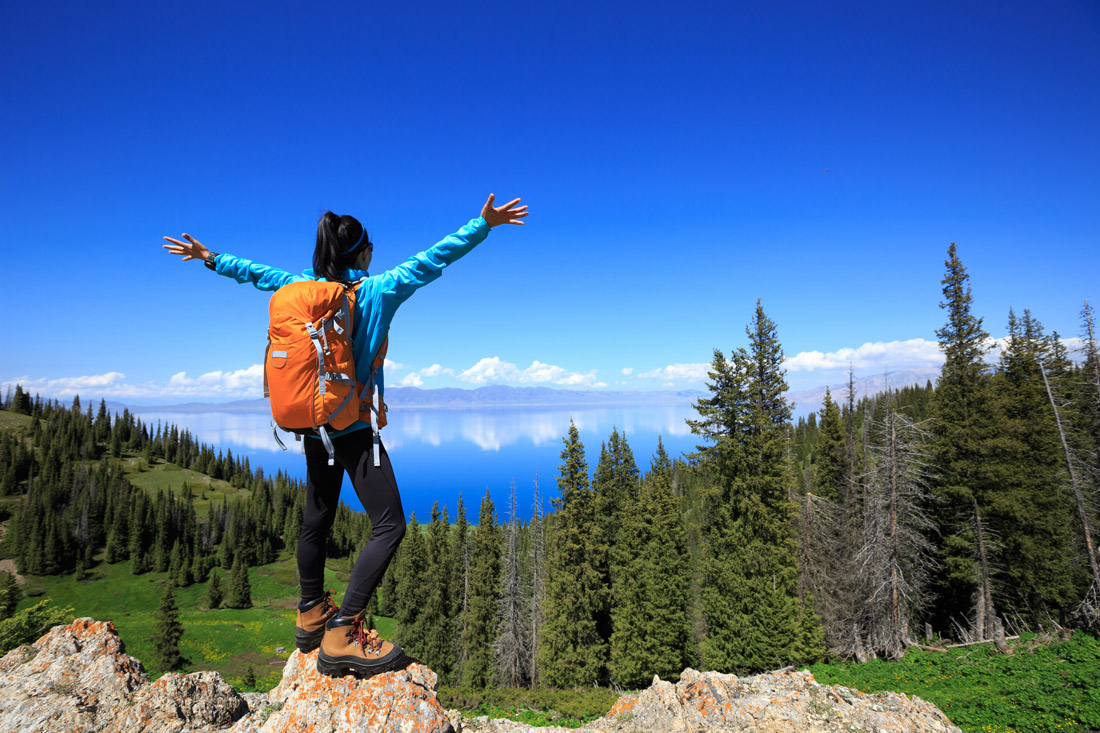
Whether you are skiing in Colorado, hiking in the Rockies or checking off a bucket-list trek such as Mount Kilimanjaro in Tanzania, a high-elevation destination can be as challenging as it is beautiful. Mountainous regions can leave even fit travelers feeling winded, nauseous, dizzy, fatigued or battling headaches. Fortunately, preparation before your trip can make those first days at altitude more manageable as your body acclimates. Here’s what you should know before heading uphill.
Why Altitude Feels So Different
Many people assume there is less oxygen in the air at higher elevations. Technically, that is not the case. “The percentage of oxygen in the atmosphere stays the same,” says Chuck Sims, co-owner of Elemental Altitude Training Center with locations in Buckhead at Pinnacle Fitness and Midtown. “What changes is the barometric pressure, which results in less oxygen available for your body to use.”
As elevation increases, the body has to work harder to deliver oxygen to muscles and organs. Your heart rate rises, breathing becomes more rapid, and activities that feel easy at home can suddenly become exhausting, Sims says. Your body immediately begins adapting, primarily by increasing breathing to improve oxygenation, while longer-term exposure stimulates production of additional red blood cells.
For many adventurers, the first 48 hours can be the toughest. In severe cases, altitude illness can progress to high-altitude pulmonary edema, a buildup of fluid in the lungs, or high-altitude cerebral edema, swelling of the brain. Both are potentially life-threatening conditions that require immediate medical attention.
Train Before You Travel
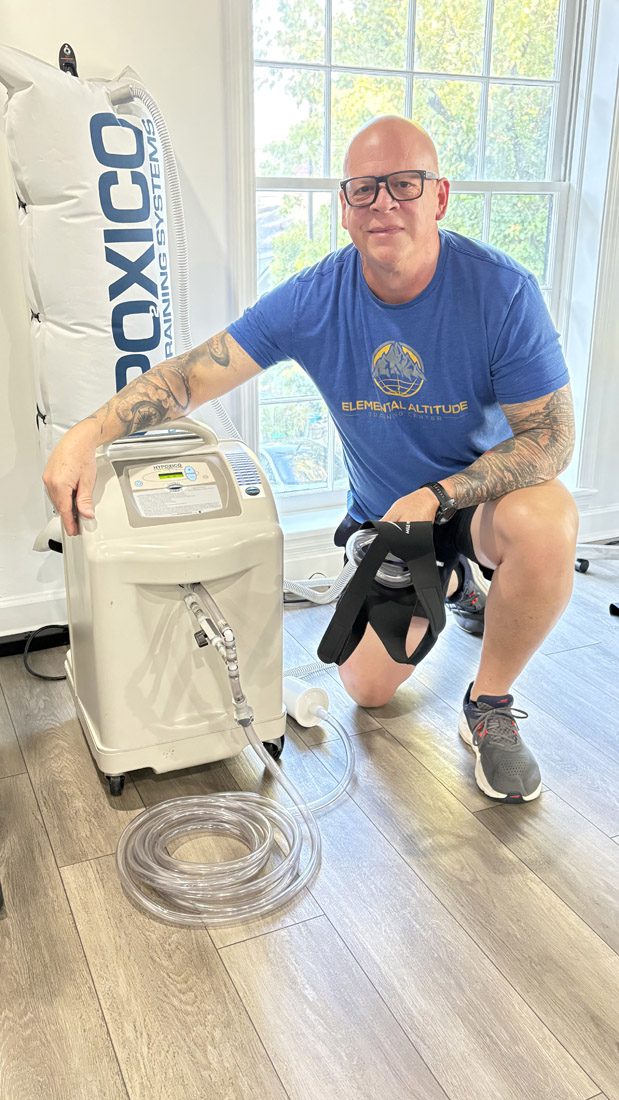
Altitude training has long been used by endurance athletes seeking a competitive edge, but Sims says recreational travelers are increasingly discovering its value as well. For those looking to prepare for the adjustment, simulated hypoxic training offers another option. Breathing equipment reduces the concentration of oxygen you breathe during exercise, simulating some of the effects of being at elevation. Before beginning, Sims, a former endurance athlete himself, evaluates each person’s tolerance and oxygen saturation to determine an appropriate training level.
For hikers and skiers already following a fitness routine, for instance, he generally recommends two sessions per week beginning eight to 12 weeks before departure. Even those with less time may benefit from completing several sessions before a trip. No time to get into the studio? Elemental has at-home machines for rent, too. “The more you do before you leave, the more you will get out of your vacation and be better prepared to enjoy the experience,” Sims says.
Adjust Fitness Expectations
One of the biggest mistakes people make at high altitude is expecting to perform exactly as they do at sea level. “If you’re used to running a nine-minute mile in Atlanta, it might be closer to an 11-minute mile at altitude,” Sims says. “If you try to maintain the same pace, your heart rate will climb much higher.”
The best strategy is to ascend gradually whenever possible and take it easier during your first couple of days. That is one reason climbs such as Mount Everest involve weeks of gradual acclimatization, while faster ascents, including Mount Kilimanjaro, carry a higher risk of altitude-related illness. While simulated altitude training beforehand may help prepare the body, travelers still need time to adjust upon arrival.
If symptoms of altitude sickness develop, don’t continue ascending. If symptoms worsen despite rest, descending to a lower altitude is critical. Depending on individual risk, a doctor may recommend acetazolamide (Diamox) to speed adaptation and prevent altitude sickness. Staying adequately hydrated and avoiding alcohol can also help.
ELEMENTAL ALTITUDE TRAINING CENTER
404.273.2153
elementalaltitude.com
@elementalaltitude