




How magnets may improve mental health.
For many years, medication and talk therapy have been the foundation of depression treatment. Now, another approach is gaining attention. Transcranial Magnetic Stimulation is a noninvasive, FDA-cleared treatment prescribed by psychiatrists for depression and a growing number of other mental health conditions. Using targeted magnetic pulses to stimulate areas of the brain involved in mood and thought patterns, TMS is helping patients who haven’t found enough relief through traditional approaches or are looking for another option earlier in their journey.
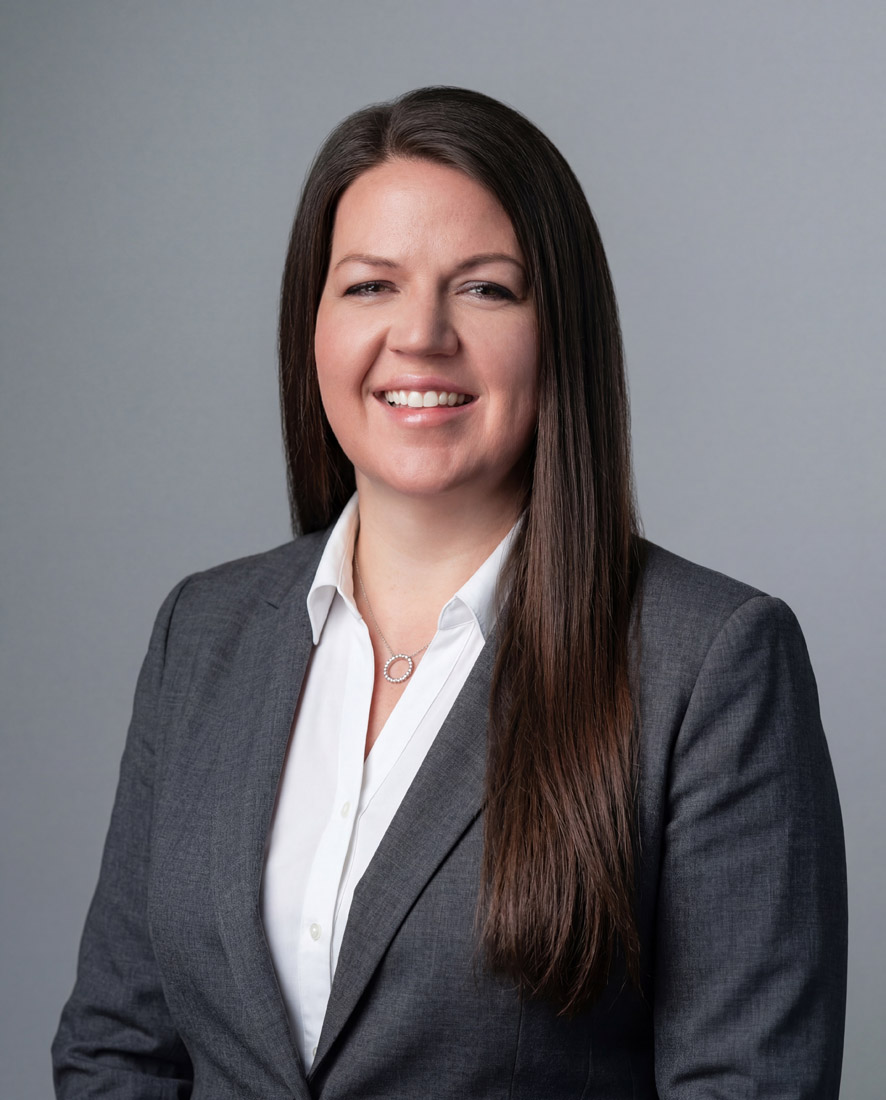
“You don’t have to wait until you’re desperate,” says Tricia Pease, COO and co-founder of Serenity Mental Health Centers, which has Atlanta-area locations in Sandy Springs and Dunwoody. “Even if you’re dealing with moderate depression or struggling with brain fog, come in when you need help. Let’s get in front of it instead of waiting for things to deteriorate.”
Here, Pease offers insight into how TMS works.
A Workout for Your Brain
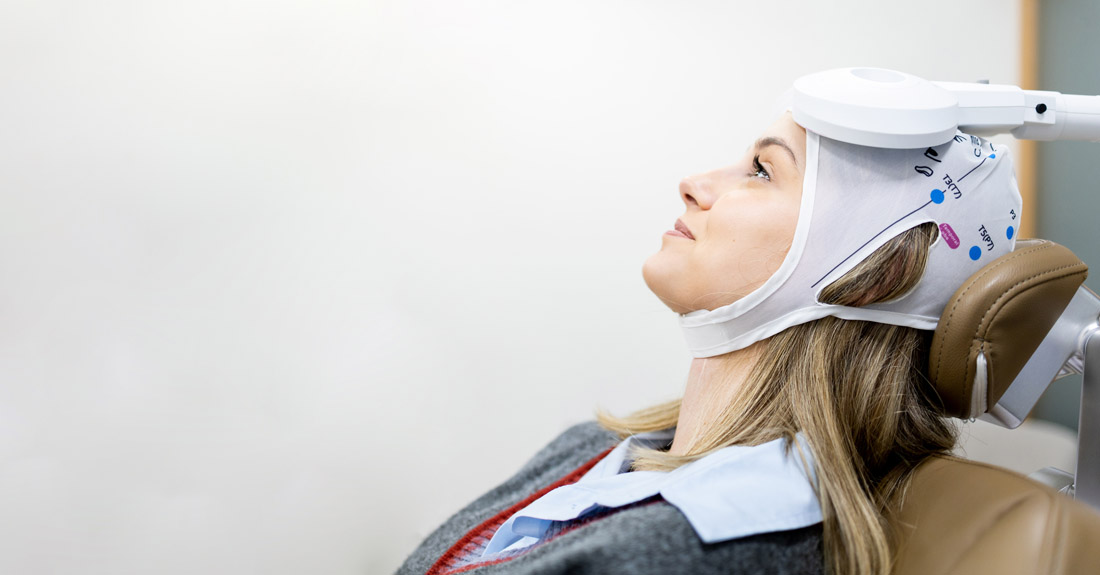
During treatment, Pease says, patients wear what looks like a bicycle helmet while a magnetic coil delivers gentle pulses to specific areas of the brain based on the condition being treated. The magnet never touches the brain. Instead, it stimulates neural pathways, encouraging them to fire more efficiently and strengthening the brain’s natural ability to adapt, a process known as neuroplasticity.
“We know exercising muscles is good for the body,” says Pease. “TMS is how we’ve learned to exercise neural pathways. What might take years naturally through therapy and other work can happen much faster with TMS.”
A typical course of treatment at Serenity includes 36 sessions over about eight weeks, five days per week, with 30-minute appointments. The most common side effects are a headache or feeling tired. Pease likens the mild side effects to post-workout soreness, calling them “proof it’s working and making the brain stronger.”
Not Just for Depression
TMS first gained FDA approval for the treatment of depression in 2008 and has since received clearance for obsessive-compulsive disorder and smoking cessation. In 2024, the FDA expanded its approval from only adults to include adolescents ages 15 and older. Pease says TMS also is used broadly for conditions including anxiety, PTSD, ADHD and addiction, and that promising research is underway for neurodegenerative diseases and chronic pain. Many insurance providers now cover TMS for eligible patients, making the therapy more accessible.
One patient story sticks with Pease: A military veteran couple underwent TMS for PTSD and depression. They had become accustomed to going through life without dreaming of it getting better. “When they finished the sessions, they told us they were finally thinking about having children, enjoying hobbies again and building a future,” Pease says.
While TMS provides an alternative option for patients, it doesn’t require patients to stop taking medications or pause talk therapy. “Many people continue both while going through treatment. Some need less or are able to go off medication, while others stay on it,” Pease says.
Common Misconceptions
Pease says that people often think that TMS will be painful, but most patients describe the sensation as feeling like a gentle tapping on the scalp. Another worry is that it will change their personality somehow, but Pease assures that it won’t. “My own kids have used TMS. So has our entire executive team. It just makes your brain work better,” Pease says.
SERENITY MENTAL HEALTH CENTERS
844.310.1649
serenitymentalhealthcenters.com
@serenityhealthcenters