



Helping cats and dogs avoid household risks!
Pets are part of the family, and like young children, they often aren’t able to exhibit an appropriate amount of common sense. This is especially true when it comes to things in your home that could harm them, including certain foods, household items and plants. We spoke with Dr. Shaina Preis, a veterinarian at Mt. Paran Animal Hospital in Sandy Springs, to learn more about keeping pets from domestic dangers.
Forbidden Foods
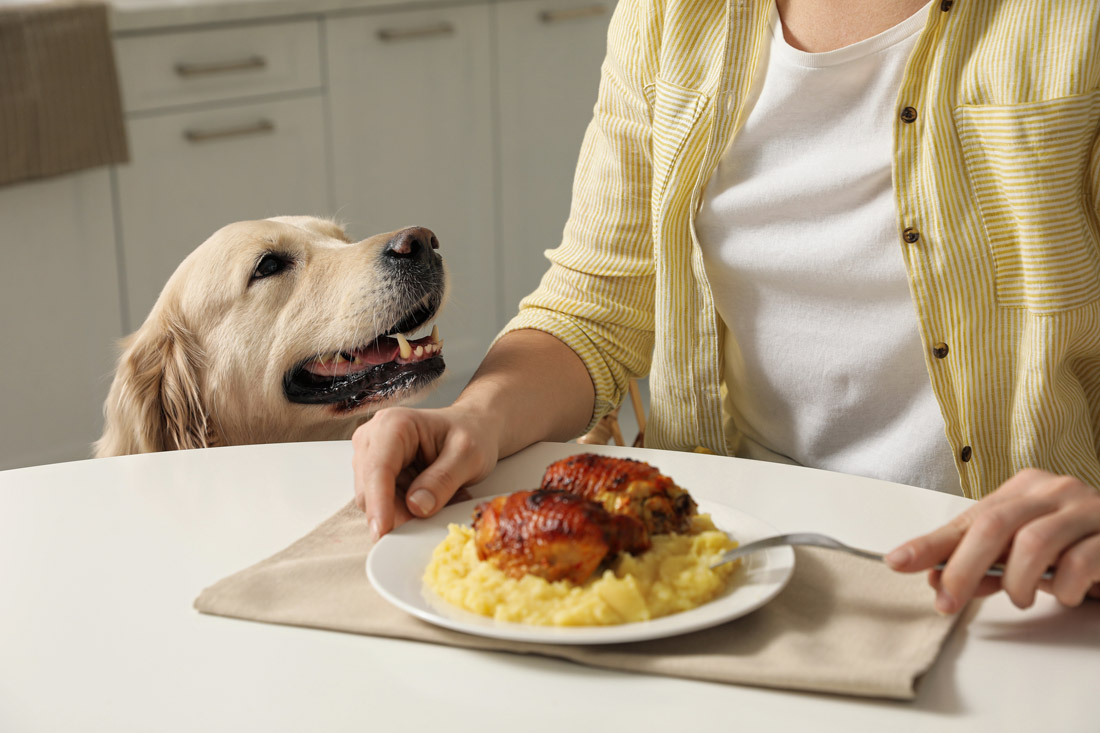
As a rule, it is not a good idea to give pets any human food, but Preis says most owners want to offer this as a special treat. She advises against the well-known risks caused by grapes, raisins, chocolate, garlic, onions and fried foods like bacon since that can cause digestive issues. Better options for dogs are green beans, carrots, apples or cucumber slices, or even a spoonful of canned pumpkin at Thanksgiving. As strict carnivores, cats have a more restrictive diet but can enjoy the occasional small portion of cooked chicken or fish.
“During mealtimes, consider moving your pet away from the table, particularly if you have children who are prone to dropping food on the floor,” Preis says.
Household No-Nos
Everything from medications and cleaners to batteries and certain articles of clothing can pose a risk to pets. To keep these out of reach, Preis suggests using garbage cans and clothes hampers with lids to deter curious pets and to keep laundry rooms, pantries and closets closed. Use baby-proof locks on cabinets that contain cleaning supplies or medications.
Perilous Plants & Flowers
“If you have a cat, lilies should never enter the home,” Preis says. “Every part of the lily, including the water, is extremely toxic to cats and can cause things like kidney failure and cardiac and gastrointestinal distress.”
As for dogs, she says the sago palm tree, a common indoor plant, is their enemy, especially the seeds. She also advises removing mushrooms from the yard because a lot of species can cause vomiting or diarrhea if ingested.
Holiday Hangups
Everyone enjoys a home-cooked meal at Thanksgiving, Christmas and Hanukkah, but keep the fatty foods away from your pets to eliminate digestive distress. Skip the lilies at Easter and keep chocolate away from pets around Valentine’s Day and Halloween because it can cause seizures, tachycardia and renal failure if eaten.
“Holiday presents mean lots of bows, strings, batteries and small parts that may be left out in the excitement,” Preis says. These items, however, can cause intestinal blockages in cats and dogs if eaten.
Same Page Safety
Kids and visitors may need to be given a quick lesson in keeping pets away from household dangers. When talking with children and teens, Preis says to stress deterring pets from the most toxic items.
“Tell them to notify an adult if a pet ingests anything abnormal, even if it was an accident,” she says. “We need to know right away!”
When visitors come for an extended stay, go over these same guidelines. Also communicate keeping the guest bedroom and bathroom doors closed, and handbags and luggage out of reach.
When a pet sitter is staying at your home, close the rooms they don’t need to access. Preis also suggests leaving the location and number for your pet’s vet clinic, as well as the nearest veterinary emergency room.
“By taking these precautions, you can keep your four-legged family members safe, healthy and happy,” Preis says.
MT. PARAN ANIMAL HOSPITAL
404.490.2275
mtparananimal.com
@mtparananimalhospital
LITTLE-KNOWN RISKS
~ Dental floss, Q-tips and thread (can cause intestinal blockages)
~ Homemade play dough (cream of tartar is the toxic element)
~ Dough before it rises (can lead to bloating as it rises)
~ Mobile phone cords (can cause an electrical shock if chewed)
~ Sewing needles (can puncture an organ if eaten)