




How to jumpstart the Mediterranean diet!
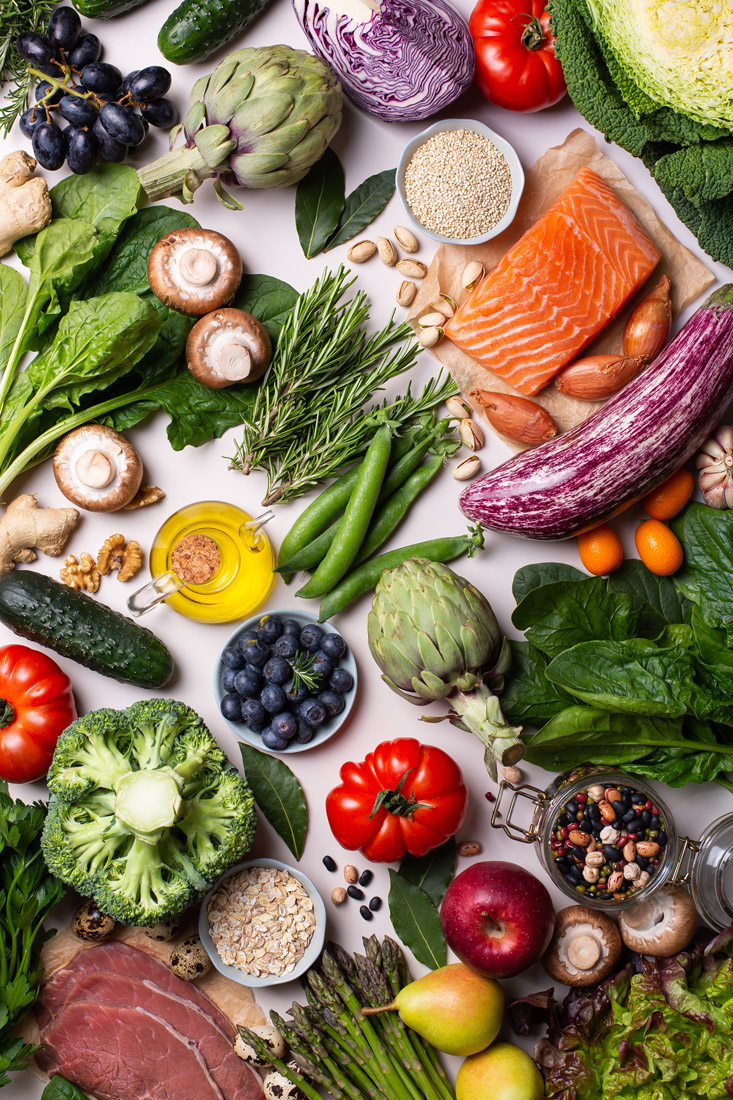
The Mediterranean diet is more about healthy living in the long-term than weight loss, though that may happen, too, if you follow it. Rather than a strict method, this way of eating is rooted in the dietary habits of those living in the coastal regions of Southern Europe. This area encompasses a few of the world’s “blue zones,” such as Sardinia, Italy and Ikaria, Greece, where people often reach 90 or 100 years old and live with less chronic disease than the U.S. population. Research shows benefits for heart health, brain function, weight management, lowering inflammation and potentially reducing risks of type 2 diabetes and some cancers.
“I personally believe that the Mediterranean diet can be easier for some to follow as it is not as restrictive and still incorporates all food groups,” says Morgan Cherry, dietitian at Best Within You Therapy & Wellness in Buckhead. “However, it is always important to discuss with your primary care physician before starting any sort of diet or lifestyle change.”
Curious how to follow this popular diet plan? Read on for more tips.
Fresh and Moderate
The Mediterranean diet emphasizes fresh, flavorful and satiating foods, as well as moderate serving sizes. It starts with a plate made up of half vegetables and fruits, one-quarter whole grains or starchy vegetables and one-quarter protein.
Plant Forward
The foundation of this eating pattern is plants: fruits, vegetables, whole grains, legumes, nuts and seeds. Roughly 40-50% of daily calories come from complex carbs such as whole grains (rice, pasta, bread), beans and starchy vegetables that provide steady energy and fiber to support digestion. Colorful produce supplies antioxidants, phytonutrients, vitamins and minerals that help reduce inflammation and oxidative stress—two key contributors to chronic disease.
Fish Over Meat
Protein makes up about 15-20% of the Mediterranean diet’s daily calories, mainly from fish or seafood and legumes, and moderate amounts from poultry, dairy and eggs with hardly any red and processed meats. Fatty fish like salmon, sardines and mackerel are packed with omega-3 fatty acids that are linked to improved heart health, brain function and reduced inflammation. Two to three servings of fish or seafood and two to four eggs per week is sufficient to reap these benefits.
Olive Oil is Paramount
Healthy fats are a central macronutrient, making up 30-40% of daily calories, mostly from monounsaturated fats found in extra virgin olive oil, nuts, seeds and avocados. Olive oil is rich in polyphenols that have anti-inflammatory and heartprotective effects, and swapping butter for olive oil can improve blood cholesterol and triglyceride levels. Just a couple of tablespoons drizzled over vegetables or salads daily can provide these benefits.
Dainty Dairy
Instead of cheese on everything like you often see in American dishes, dairy plays a supporting role here. Think Greek yogurt, tzatziki and fresh cheeses such as feta or ricotta. These foods provide protein, calcium and probiotics that support bone and gut health. The Mediterranean diet only includes one to two servings of dairy per day, which looks like 1 cup of yogurt and 1.5 oz. of cheese (about the size of two dice).
Wine, Wisely
Minimal red wine consumption, meaning one glass per day for women and up to two for men with meals can fit into the Mediterranean pattern. Resveratrol, a phytonutrient in red wine that comes from red grapes, is thought to support heart health. Moderation is key, though, since more alcohol intake negates its benefits.