




Derm-approved tips for radiant skin during pregnancy.

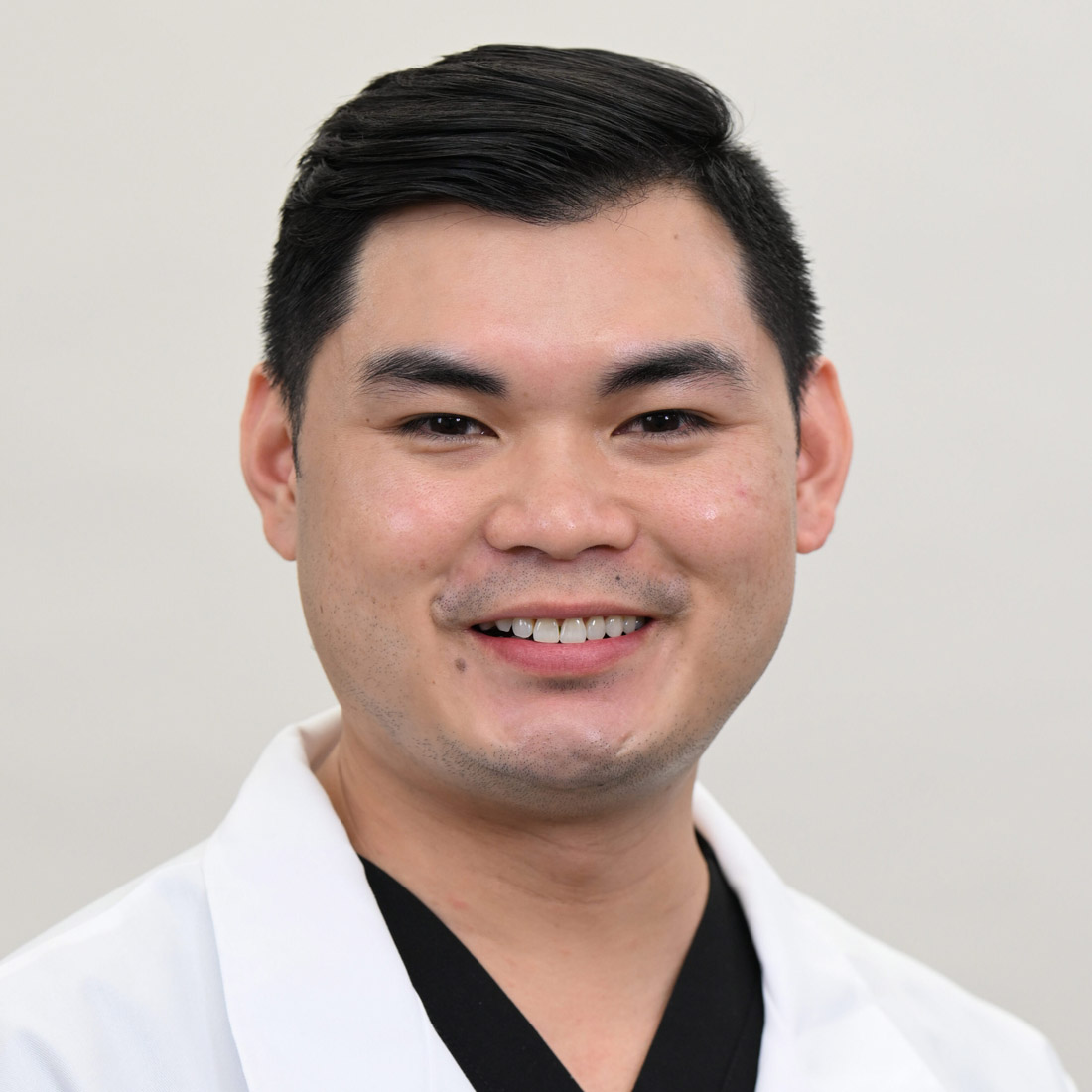
Pregnancy brings a cascade of hormonal changes, and with them, a new set of skin concerns. “The most frequent things I see with pregnant patients are hormonal acne, pigmentation from melasma, stretch marks and dry, itchy skin,” says Dr. Long Ly, dermatologist at MetroDerm in Buckhead. However, many standard treatments for these concerns aren’t safe during pregnancy, so skin care routines should be adjusted. Ly offers the following simple solutions that deliver results.
Regulate Breakouts
Ly cautions against using common treatments for acne, such as retinoids, high-dose glycolic and salicylic acids, and high-strength chemical peels. Instead, he recommends overthe- counter or prescription topical azelaic acid that helps prevent pores from getting clogged, calm inflammation, decrease oil production and reduce post-acne pigmentation. Certain topical antibiotics, such as clindamycin or erythromycin, also are safe and effective, Ly says. These work to combat bacteria-causing acne on the skin, decreasing their population and thereby preventing them from invading pores and causing flareups.
Control Pigment
Melasma, commonly called the mask of pregnancy, is triggered by hormones and sun exposure. Since hydroquinone and other bleaching agents haven’t been proven harmless for the fetus, Dr. Ly recommends focusing on sun protection, including wearing wide-brim hats and applying antioxidant vitamin C serum for pigment control and brightness. For more powerful results, prescription azelaic acid can safely target pigment. As for sunscreen, use a broad-spectrum mineral product with zinc or titanium dioxide every day. “While it’s generally safe to use a chemical sunscreen, we don’t have the data about chemical sunscreens during pregnancy, which is why I recommend a mineral sunscreen,” Ly says.
Apply Gentle Products
Dry, itchy skin, especially around the belly, is another hallmark of pregnancy. “Hormonal changes can really dry the skin,” Ly says. “Choose gentle, non-active cleansers to prevent irritation and use a thick, fragrance-free moisturizer after bathing.” As for stretch marks from an expanding belly, consistent use of rich, gentle moisturizers such as Aquaphor can help keep the skin supple, but there’s no guarantee they can prevent the red or white lines from appearing. However, post-delivery, laser or microneedling treatments can improve redness and texture, Ly says.
Keep Regular Checks
Make sure to keep your annual skin cancer screening on the books during pregnancy. “Hormones can make moles change, and while most are harmless, sometimes we do find skin cancer,” Ly says. “If we need to biopsy or do a surgical removal of a skin cancer, such as melanoma or basal or squamous cell carcinoma, it’s safe to do with local anesthesia, and we prefer not to delay treatment to prevent metastasis.”
Pause Cosmetic Tweaks
“Skip cosmetic treatments such as Botox and fillers until after pregnancy to avoid the risk for absorption of toxins and other substances into the bloodstream,” Ly says. Additionally, Ly notes that the face undergoes changes during this life stage, and it’s best to wait a few months after delivery “when your face has stabilized” to continue any injectables. Ultimately, Ly reassures his patients that every complexion journey during pregnancy is unique. “Some women’s skin gets better, others worse,” he says. “These changes are temporary.”
METRODERM
404.350.5777
metroderm.org
@metrodermatlanta